
Information for healthcare
Summary of Safety and Clinical Performance (SSCP)
CCoat® Intra-articular injection
in accordance with Medical Device Regulation (EU) 2017/745
This Summary of Safety and Clinical Performance (SSCP) is intended to provide public access to an updated summary of the main aspects of the safety and clinical performance of the device.
The SSCP is not intended to replace the Instructions for Use as the main
document to ensure the safe use of the device, nor is it intended to pro-
vide diagnostic or therapeutic suggestions to intended users or patients.
The following information is intended for users/healthcare professionals.
1. Device identification and general information



Device trade name(s)
CCoat®
CCoat vial: REF CP003
Manufacturer’s name and address
Liposphere Ltd
Ha’arava 1
Givat Shmuel
Israel 5400804
Manufacturer’s single registration number (SRN)
IL-MF-000045259
Basic UDI-DI
CCoat vial: 7290020168CCOATTL
Medical device nomenclature (EMDN code / description)
P900402 Resorbable filling and reconstruction devices
Class of device
III (MDR (EU) 2017/745 Annex VIII – Rule 8, indent 3)
Year when the first certificate (CE) was issued covering the device
2026
EU Authorised representative; name and the SRN
MedNet EC-REP III GmbH
Borkstrasse 10
48163 Münster
Germany
SRN: DE-AR-000011191
Validating notified body name (notified body validating SSCP) and notified body’s single identification number
BSI Group The Netherlands B.V.
NB 2797
Device contains animal tissues
No
Device contains human tissues
No
Device is a drug-device combination
No
2. Intended use of the device
2.1 Intended purpose
CCoat is intended to be used as an intra-articular injection in the knee joint of patients with mild to moderate osteoarthritis. The device forms a physical, biocompatible coating over the articular cartilage surfaces, supporting smoother joint articulation and contributing to the reduction of pain associated with cartilage wear.
2.2 Indication(s) and target population(s)
Indications for use: CCoat is indicated for patients with mild to moderate osteoarthritis of the knee.
Target population: CCoat is indicated for adult males and females above 18 years of age with mild to moderate osteoarthritis (OA). OA is a chronic, multi-tissue disease that affects the joint and its surrounding tissues and leads to progressive damage of the articular cartilage and, subsequently, the subchondral bone and surrounding synovial structures.
2.3 Contraindications and/or limitations
Contraindications for use of CCoat are as follows:
• Do not use CCoat in infected or severely inflamed joints or in patients having skin diseases or infections around the injection site.
• Do not administer CCoat to individuals with a known history of a severe allergic reaction to one of the CCoat components
• Do not administer CCoat to individuals who have received an intra-articular injection in the same joint within the past three months.
• CCoat is not intended for patients under 18 years of age.
3. Device description
3.1 Description of the device
CCoat is an intra-articular (IA) device for patients with mild to moderate knee osteoarthritis (OA). In nonclinical testing, it forms a physical, highly hydrated coating over the articular cartilage surfaces within the knee joint. Clinically, it is expected to contribute to the reduction of knee pain associated with osteoarthritis and improvement in knee function.
CCoat is a sterile nonpyrogenic device containing sub-micron spherical liposomes composed of a mixture of a synthetic phosphatidylcholine lipid and a Lipid-Polymer-Conjugate (LPC) suspended in phosphate-
buffered saline to maintain normal physiological parameters. CCoat is supplied in a sterile glass vial containing 4.5 ml (4.0 ml for injection plus 0.5 ml overage) liposome solution and equipped with a sterile blunt
fill needle with filter 18G x 1 ½.
An illustration of CCoat is provided in Figure 1.
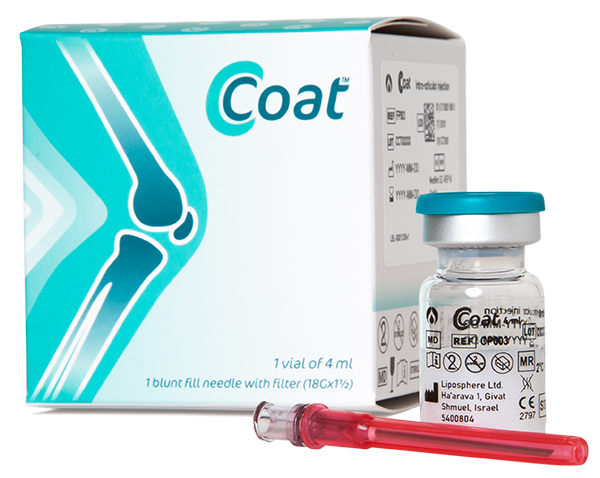 Figure 1: CCoat® device and blunt fill needle in packaging
As demonstrated in preclinical studies, CCoat forms a coating over the articular cartilage surfaces. This physical surface-coating mechanism of action is characterized in non-clinical (in vitro and in vivo) testing
and is not presented as a clinical performance claim.
Clinically, the demonstrated benefits of CCoat are strictly limited to the reduction of knee pain and improvement in functional mobility. CCoat has not been clinically proven to prevent cartilage wear, preserve structural cartilage, or slow the progression of osteoarthritis.
The expected retention time for most of the CCoat solution in human knees is several weeks. The main component of CCoat is phosphatidylcholine (PC) lipids. Phospholipids are one of the major constituents of the synovial fluid, with PC lipids being the most common components of the lipid layer on the
natural cartilage surface. Synthetic phosphatidylcholines are degraded in the body under physiological conditions and breakdown products are non-toxic.
In clinical use, CCoat is expected to contribute to the reduction of knee pain and improvement in knee function. CCoat treatment affects only the injected knee. It does not produce a general systemic effect.
CCoat is a surface-coating device that does not change the characteristics of the synovial fluid. CCoat does not contain a medicinal product, human blood products, materials of human or animal origin, or nanoparticles.
CCoat does not contain materials of concern (MOC) greater than 0.1% (w/w), carcinogenic, mutagenic or toxic to reproduction (CMR), or endocrine-disrupting substances.
The mechanism of action of CCoat is of solely physical nature. CCoat does not achieve its primary intended purpose through chemical action within the body and is not dependent upon being metabolized for the achievement of its primary intended purposes. As demonstrated in preclinical testing, the product is in tended only to form a coating over the articular cartilage surfaces. CCoat is biodegraded by macrophages within the joint over approximately 3 months, thus considered as wholly absorbed.
Device lifetime: CCoat is a temporary implant. After injection, it slowly breaks down into harmless parts that are fully absorbed in about 3 months. Patients may experience within-group improvements from baseline in knee pain and function for up to 26 weeks.
3.2 A reference to previous generation(s) or variants if such exist, and a description of the differences
There are no previous generations of CCoat.
3.3 Description of any accessories which are intended to be used in combination with the device
CCoat is supplied with an off-the-shelf sterile blunt fill needle with filter (18G x 1 ½, BD®, REF No. 305211 or Sol-M® REF No. 110022F) in its original package, included in the CCoat cardboard box. The blunt fill needle is not repacked, relabelled nor re-sterilized. Prior to application, CCoat’s solution is withdrawn using this blunt fill needle. The blunt fill needle with filter 18G x 1 ½ could be attached to any available commercial sterile syringe of 5-10 ml. After solution withdrawal, the needle should be replaced with any available commercial sterile needle of 18-21 gauge, according to the standard clinical practice.
Syringes and needles for injection are not provided in the product package.
Table 1: Accessories/compatible devices of CCoat
| Item | Name | Model no. | Risk class | Basic UDI-DI | Manufacturer |
|---|---|---|---|---|---|
| 1 | Blunt fill needle with filter 18G x 1 ½ | REF No, 305211 | Class Is | 010038290 3052110 | Becton-Dickinson |
| 2 | Blunt fill needle with filter 18G x 1 ½ | REF No, 110022F | Class Is | (01)108183 92015949 | Sol-Millennium Medical Group |
3.4 Description of any other devices and products which are intended to be used in combination with the device
CCoat is intended to be used with a blunt fill needle with filter (18G x 1 ½) for solution withdrawal (as described in 3.3) and off-the-shelf 18-21G sterile needle for injection.
No instructions/recommendations to use CCoat with other specific devices are given.
4. Risks and warnings
4.1 Residual risks and undesirable effects
The identified residual risks associated with CCoat are related to:
• Function / Environment
• Biocompatibility
• Sterility / Package
• Use / Labeling
• Production
• Utilities
These residual risks are disclosed in the CCoat IFU via the contraindications, warnings and precautions, cautions, and risks and potential complications.
Identified undesirable effects, potential risks and adverse events associated with CCoat as documented in the current IFU are detailed in Table 2.
Table 2: CCoat undesirable effects
| Risks and potential complications as disclosed in the IFU | Adverse event category | Reported for CCoat (pre-market clinical data) | Reported in SOTA literature for IA HA injectables [1] – [5] |
Reported in SOTA literature for IA liposome-/lipid products [32] – [40] |
|---|---|---|---|---|
| • Injection site reaction in the form of pain, swelling, redness, hematoma, warmth or infection |
Arthralgia / Injection-site pain | 2.7% | 0 – 29.6% | 6.9% – 13.5% (arthralgia) 0% – 2.9% (procedural pain) |
| Joint effusion / swelling | 1.3% | 0 – 22.9% | 1.0% – 1.4% | |
| • Inflammation/infection of the joint and surrounding tissues
• Increased joint fluid or effusion can occur, potentially leading to |
Joint stiffness | 0% | 0.5 – 10.26% | ≤ 1% |
| • Signs of allergic reaction such as itching, rash, or anaphylaxis (rare) | Itching / pruritus | 1.3% | 1.4%* | 0% |
| • Bleeding within the joint, damage to surrounding tissues, or nerve irritation (rare) |
Device-related SAEs | 0% | Rare (unrelated) | 0% – 1.7% |
4.2 Warnings and precautions
The warnings, precautions, and cautions as documented in the Instructions for Use are:
WARNINGS AND PRECAUTIONS
• Do not inject CCoat intravascularly.
• Do not inject extra-articularly, or into synovial tissues or the joint capsule. High injection pressure may indicate incorrect placement of the needle in the joint and must be carefully assessed before administration.
• Do not administer CCoat in the presence of significant intra-articular effusion. Joint effusion should be evaluated and managed before treatment.
• Strict aseptic technique is essential to minimize the risk of joint infection or other injection site complications.
• The blunt fill needle with filter is intended only for solution withdrawal from the syringe. Do not use the blunt fill needle for intra-articular injection.
• Use caution when handling needles to avoid piercing or sharps-related injuries.
• The safety and effectiveness of the use of CCoat in pregnant and lactating women has not been tested.
CAUTION
• CCoat should only be administered into the affected knee joint. The safety and effectiveness of CCoat in joints other than the knee has not been studied.
• The safety and effectiveness of CCoat in combination with other intra-articular injections has not been studied.
• The safety and effectiveness of the use of CCoat in patients under 18 years of age has not been tested.
• The effectiveness of repeated injection cycles of CCoat has not been established. Although no specific risk has been identified, only a single CCoat injection and two injections with 6 months intervals between them are currently tested.
4.3 Other relevant aspects of safety, including a summary of any field safety corrective action (FSCA including FSN) if applicable
Magnetic resonance imaging safety:
• CCoat composition is MR (magnetic resonance) safe.
• The presence of CCoat may affect the interpretation of MR images (darker spots) for one day after the injection.
There have been no field safety corrective actions (FSCA) associated with CCoat.
5. Summary of clinical evaluation and post-market
clinical follow-up (PMCF)
5.1 Summary of clinical data related to equivalent device, if applicable
Equivalence was not used in the clinical evaluation of CCoat.
5.2 Summary of clinical data from conducted investigations of the device before the CE-marking, if applicable
CCoat has been subject to one premarket clinical investigation. A summary of this investigation is provided
in Table 3.
Table 3: CCoat premarket clinical investigation CLD-0000616 summary
Study reference
CLD-0000616
Study title
Effectiveness and Safety of CCoat Intra-Articular Injections in Mild to Moderate Knee Osteoarthritis:
Prospective Randomized Double-Blinded Study
Subject device name
CCoat (former name: AqueousJoint 30 mM), Liposphere Ltd.
Intended use of the device in the investigation
Intended purpose: CCoat is intended for intra-articular injection into the knee joint of patients with mild to moderate osteoarthritis. The device forms a physical, biocompatible coating over the articular cartilage surfaces, supporting smoother joint articulation and contributing to the reduction of pain associated with cartilage wear.
Indications for Use: CCoat is indicated for patients with mild to moderate osteoarthritis of the knee.
Objectives of the study
This study aimed to assess the effectiveness and safety of intra-articular injection of CCoat administered via a single injection, versus placebo control, in osteoarthritic patients up to 26 weeks of follow-up in a double-blind, randomized clinical study. Additionally, the safety of the repeated injection was examined.
Primary Effectiveness Objective
The primary objective was to evaluate the effectiveness of CCoat dministered via single intra-articular in jection versus placebo during the study period in terms of functional outcomes as assessed in terms of Pain KOOS subscore at each FU visit (up to and including 12 weeks) and compared to the baseline levels.
Secondary Effectiveness Objective
The secondary objective was to assess changes from baseline to 26 weeks in NRS, KOOS symptoms, QOL, ADL and sport subscores. Change from Baseline in Patient‘s Global Assessment (PGA)) of Osteoarthritis at Week 26 were evaluated. Patients’ responder rates were evaluated at 12 and 26 weeks.
Safety Objectives
Safety was evaluated by the occurrence of Adverse Events during the study. Adverse Events were reported in terms of incidence, severity, and frequency of all Adverse Events (AE).
Study design
A prospective, multicenter, double blind, randomized, and placebo-controlled trial
Study arms and number of subjects enrolled
As originally, a total of 150 subjects were randomly assigned to three arms (n=50/arm):
1.
Group 1 (Control): 1 IA injection of 4 ml Normal Saline solution (placebo).
2.
Group 2 (Study): 1 IA injection of 4 ml, low concentration AqueousJoint 15mM
3.
Group 3 (Study): 1 IA injection of 4 ml CCoat (former: high concentration AqueousJoint 30 mM)
Based on the 12-week interim analysis results, further enrollment of patients in one of the study arms/groups was no longer scientifically or ethically justified. In this group, the treatment was lower compared to the other treatment groups, in terms of inferior effectiveness (i.e., the improvement in KOOS pain scores for this group was significantly lower compared to the other two treatment groups). No safety concerns were identified for this group.
Based on the above considerations, the study continued with two arms, with a total of 82 subjects (n=41/arm):
1.
Group 1 (Control): 1 IA injection of 4 mL Normal Saline solution.
2.
Group 2 (Study): 1 IA injection of 4 mL CCoat (former: high concentration AqueousJoint 30 mM)
Study endpoints and outcomes
The study endpoints and outcomes were as follows:
Primary performance:
• Change from baseline in patient’s pain over the course of the 12-week initial treatment period as measured by using the Knee injury and Osteoarthritis Outcome Score (KOOS) in following subscore: Pain, comparing CCoat versus placebo [Time Frame: Day 0, up to week 12]
Secondary performance:
• Change from baseline in Knee injury and Osteoarthritis Outcome Score (KOOS) Symptoms score at 12 weeks – [Time Frame: Day 0, up to week 12]
• Change from baseline in Knee injury and Osteoarthritis Outcome
• Score (KOOS) Activities of Daily Living (ADL) score at 12 weeks – [Time Frame: Day 0, up to week 12]
• Change from baseline in Knee injury and Osteoarthritis Outcome Score (KOOS) Quality of Life (QoL) score at 12 weeks – [Time Frame: Day 0, up to week 12]
Safety:
• Adverse events, including serious adverse events up to 6 months (26 weeks)
Exploratory:
• Change from baseline to 6- and 26 weeks in KOOS Pain score
• Change from baseline to 6- and 26 weeks in KOOS Symptoms score
• Change from baseline to 6-, 12- and 26 weeks in KOOS Sports/Recreation score
• Change from baseline to 6- and 26 weeks in KOOS QoL score
• Change from baseline to 6- and 26 weeks in KOOS ADL score
• KOOS Pain responder rate at the 12 weeks visit (defined as an increase from baseline of 8 points or ≥ 20% in KOOS Pain score)
• KOOS Symptoms responder rate at the 12 weeks visit (defined as an increase from baseline of 8 points or ≥ 20% in KOOS Symptoms score)
• KOOS Sports/Recreation responder rate at the 12 weeks visit (defined as an increase from baseline of 8 points or ≥ 20% in KOOS Sports score)
• KOOS QoL responder rate at the 12 weeks visit (defined as an increase from baseline of 8 points or ≥ 20% in KOOS QoL score)
• KOOS ADL responder rate at the 12 weeks visit (defined as an increase from baseline of 8 points or ≥ 20% in KOOS ADL score)
• Change from baseline to 6-, 12- and 26 weeks in NRS
• Change from Baseline in Patient‘s Global Assessment (PGA) of Osteoarthritis at the 6-, 12- and 26 weeks visits
Study population Inclusion/exclusion criteria
This study involved patients with knee OA, K/L 1-3.
Inclusion criteria:
1. Subject has signed and dated the informed consent form (ICF)
2. Age ≥ 30 and ≤ 85 years old
3. Function-related knee pain with an average NRS score (active) of ≥3 over the last week before screening.
4. Degenerative changes in the intended study knee that can be categorized as grade I -III- Kellgren Lawrence based upon standing anterior- posterior and lateral radiographs of the knee
5. Body Mass Index (BMI) between 18.5 kg/m2 and 38 kg/m2
6. A negative urine pregnancy test female patient with childbearing potential at Visit 1 prior to intra-articular injection of CCoat
7. If female, subject must have been either postmenopausal, OR permanently surgically sterile OR for women of childbearing potential using at least 2 methods of birth control that are effective from at least 30 days before Visit 1 through visit 26w (26 weeks post injection).
8. Were willing or able to comply with procedures required in this protocol.
Exclusion criteria:
1. Osteoarthritis of the index knee graded 4 according to the Kellgren-Lawrence Grading
2. History of significant knee trauma or previous surgery of the intended study knee within the last 3 months preceding the screening
3. Pain in contralateral knee with a with a NRS score of ≥5
4. Intra-articular injection to the intended study knee within 3 months before Screening
5. Significant instability of the index knee
6. Malalignment more than 10 degrees varus OR 10 degrees valgus according to standing X-ray
7. Intake of chronic pain medications (especially opioid pain relievers) without an option to pause for the period of the study
8. History of Psoriatic Arthritis, Rheumatoid Arthritis, or any other inflammatory condition associated with arthritis
9. Wound in the area of the intended study knee
10. Any known tumor of the index knee
11. Any known history of intra-articular or Osseous infection of the index knee
12. Any evidence of active infection anywhere in the body. Urinary Tract Infection (UTI) patients can be included following antibiotic treatment, provided that two consecutive cultures are negative (taken within at least 2 weeks of each other)
13. Any known history of inflammatory arthropathy or crystal-deposition arthropathy
14. Any known systemic cartilage and/or bone disorder, such as but not limited to, chondrodysplasia or osteogenesis imperfecta
15. Body Mass Index (BMI) > 38
16. Active malignances, excluding BCC.
17. Chemotherapy and/or radiation in the past 12 months
18. Known history of a severe allergic reaction
19. Patient who was pregnant or intended to become pregnant during the study
20. History of any significant systemic disease, such as but not limited to: HIV, hepatitis, HTLV, syphilis, and coagulopathies
21. A Known substance or alcohol abuse
22. Participation in other clinical trials within 60 days to before the study or concurrent with the study
23. Known insulin dependent diabetes mellitus
24. Unable to undergo X-ray
Summary of study methods and follow-up assessments
All subjects provided written informed consent prior to study procedures. Screening included review of medical history, physical examination, and evaluation of recent weight-bearing knee radiographs (standing
AP and Lateral views obtained within the prior 3 months). Radiographs were assessed by a senior orthope dic surgeon to confirm eligibility. Eligible candidates subsequently completed study-specific questionnaires.
Subjects entered a washout period for analgesics and non-steroidal anti-inflammatory drugs (NSAIDs), lasting 2 to 5 days depending on the specific medication used. At baseline, eligible subjects were consecutively
randomized to receive either the investigational device or placebo. Both subjects and study personnel were blinded to treatment allocation. Subjects were followed at baseline (day 0), and at weeks 1, 6, 12, 18, and
26 post-injection. At each visit, clinical assessments of knee condition and overall health were performed, and concomitant medication use was documented. Standardized patient questionnaires were administered
at all visits. Barefoot standing AP and Lateral knee radiographs were obtained at baseline and at 26 weeks post-treatment. Subjects who discontinued participation or withdrew consent were not replaced. At the 12-week visit, subjects not achieving the minimal clinically important difference (MCID) were classified as non-responders. Non-responder criteria were defined as less than 20% improvement in KOOS from baseline.
Subjects choosing to withdraw participation at this point were recorded as “early escape,” and a study termination form was completed. At the 26-week follow-up visit, subjects were offered eligibility screening for an optional repeat treatment phase.
Statistical considerations
Sample size:
The originally planned sample size was 45 subjects per group, which was considered sufficient to detect an effect size of at least 15 points on the KOOS scale with 80% power. To account for a potential dropout rate of 10%, the study protocol specified enrollment of 50 subjects per arm, resulting in a total planned sample size of 150 subjects across three study arms.
At the interim analysis timepoint (week 12), prior to sample size calculation, a study arm with the lowest performance has been dropped (after 29 subjects had been enrolled), and the study continued with only 2 arms, the most promising active treatment arm, and the placebo arm. The sample size was subsequently recalculated to account for the discontinued arm. A total of 82 subjects across the two study arms of interest (i.e., 41 in the treatment (CCoat) arm and 41 in the control (placebo) arm), including those already enrolled,
was determined to provide 80% power. To accommodate a potential 10% dropout rate, enrollment was in creased to 92 subjects across the two arms, in accordance with the study protocol.
Statistical analyses:
Data analysis was performed using the SPSS statistic program version 28.0. The independent t-tests tested the differences from baseline to 26 weeks of the primary and secondary continuous endpoints. All measurements were tested for normality by the Kolmogorov-Smirnoff tests. The ANOVA repeated measures tests or Friedman tests, depending on the variables distributions, tested the repeated measures from baseline to week 26.
Full Analysis Set (FAS) analysis was planned to include all subjects from the SA who were randomized, who retrospectively met the inclusion and exclusion criteria. Per the intent-to-treat principle subjects were planned to be analyzed in the study arm to which they were randomized. The FAS aimed to analyze the primary and secondary endpoints involving the comparison between two randomized arms.
Per-protocol analysis set (PP) consisted of all subjects included in the FAS analysis set who did not have major protocol violations. The determination of major protocol violations impacting the PP set definition was made prior to locking the database and unmasking for the final analysis. Subjects were analyzed according to the treatment received if any subjects who received different treatment from the randomized treatment were included in the PP set. Otherwise, subjects were analyzed according to the randomized treatment. The PP set was used for sensitivity analyses of the primary and secondary endpoints.
Summary of Results and Conclusions
Subject disposition and baseline characteristics
A total of 130 subjects were screened for eligibility, of whom 123 were enrolled and randomized into one of three arms: placebo (n=48), CCoat 15 mM (low concentration; n=29), and CCoat 30 mM (high concentration;
n=46). Following the planned interim analysis, the low-concentration arm was discontinued. Therefore, the Full Analysis Set (FAS) included 94 subjects (48 in the placebo arm and 46 in the high-concentration CCoat arm). Two subjects were excluded from the Per Protocol (PP) population due to major protocol deviations, resulting in 92 subjects in the PP set.
Demographic and baseline characteristics were comparable between arms. The mean age was 67.8 years (SD: 9.67), with a balanced sex distribution (52% female), and a mean BMI of 29.4 kg/m². Most subjects had Kellgren-Lawrence grade 2 or 3 osteoarthritis. Baseline KOOS Pain and NRS scores confirmed eligibility and comparability across groups.
Clinical performance / effectiveness outcomes
Primary Endpoint:
At 12 weeks, the CCoat (former: high concentration AqueousJoint 30 mM) group demonstrated a mean KOOS Pain improvement of +13.0 points, compared to +6.0 points in the placebo group (p = 0.04), exceeding the MCID (≥8 points) [6].
In the Per Protocol subset of patients with baseline KOOS Pain <80 (LT80), the difference in improvement between CCoat and placebo reached 16.4% in percent change (p = 0.0466), confirming enhanced effectiveness in symptomatic patients.
By timepoint, CCoat demonstrated a clinically meaningful within-group improvement in KOOS Pain as early as Week 1 post-injection, with a mean increase of 11 points (p = 0.0009), exceeding the MCID threshold.
Pain relief was durable, with KOOS Pain scores peaking at Week 18 (14.5-point improvement; p < 0.0001) (all reaching the ≥8-point MCID threshold); and remaining sustained through Week 26 (7.5 points; p = 0.0404).
Secondary & Exploratory Endpoints:
All KOOS subdomains (Symptoms, ADL, QoL, Sport) showed sustained within-group improvements in the CCoat group, with peak responses at 12–18 weeks and maintenance through 26 weeks. Specifically:
• KOOS Symptoms improved by Week 6 (11 points; p = 0.0002) and remained clinically meaningful through Week 18 (13 points; p < 0.0001).
• KOOS ADL scores increased at Week 1 (12 points; p < 0.0001) and sustained through Week 18, reflecting the functional capacity.
• Statistically and clinically meaningful improvements in KOOS QOL were observed beginning at Week 6 (9.4 points; p = 0.0004), peaking at Week 12 (11.4 points; p < 0.0001), and maintained at Week 26 (7.8 points; p = 0.0062).
• KOOS Sports scores showed a clinically meaningful gain by Week 12 (11.6 points; p = 0.0009) and peaked at Week 18 (13.6 points; p = 0.0005), supporting functional improvement during physical activity.
• Subjects treated with CCoat demonstrated statistically improvements in NRA and PGA scores at Week 12. NRS scores decreased by –1.82 points from baseline (p < 0.0001), indicating meaningful pain reduction.
Similarly, PGA improved by –0.38 points (p = 0.0015), reflecting an improvement in patients’ global assessment of their osteoarthritis condition.
• With regard to the responder rate, at 12 weeks, 63.16% of patients in the CCoat group met KOOS Painresponder criteria versus 46.88% in the placebo group.
Clinical safety outcomes
A total of 77 subjects received at least one intra-articular injection of CCoat (former AqueousJoint 30mM):
42 at baseline in the randomized arm, and an additional 35 subjects from the control group who crossed over to receive CCoat at the 6-month follow-up. Across all treatment arms, 18 adverse events (AEs) were reported in 17 subjects. AE rates were comparable between groups: 6 in the CCoat (30 mM) group, 5 in the AqueousJoint 15 mM group, and 6 in the placebo group. No device-related serious adverse events (SAEs) occurred. All reported AEs were of mild or moderate severity, supporting a favorable safety profile for
CCoat.
No additional adverse events were reported following the administration of a second injection among the 84 subjects who participated in the repeat treatment phase, including 36 subjects in the CCoat (former AqueousJoint 30 mM) group, 17 in the AqueousJoint 15 mM, and 31 in the placebo/control.
Safety results reported for both CCoat (former AqueousJoint 30mM, n=46) and AqueousJoint 15mM (n=29) products were analyzed collectively, in a total of 77 subjects. In these subjects, reported local (knee joint) adverse events included: (i) worsening knee pain in 2 subjects (2.7%), feeling of suffocation /itching in 1 subject (1.3%), and injection site swelling in 1 subject (1.3%). No serious adverse events or withdrawals related to the device use were reported. All events resolved without sequelae, supporting the device’s local tolerability and absence of systemic safety concerns.
Conclusions
The study met its primary endpoint, demonstrating a statistically and clinically meaningful within-group improvement (reaching the ≥8-point MCID threshold) in KOOS Pain at 12 weeks with CCoat (former: high concentration AqueousJoint 30 mM) compared to placebo. Improvements across secondary endpoints and consistent responder rates reinforce the therapeutic value of CCoat. Efficacy was most pronounced in patients with baseline KOOS Pain <80. No significant safety concerns were identified.
CCoat provides rapid, sustained, and clinically meaningful within-group improvement (reaching the ≥8-point MCID threshold as early as Week 1 through Week 18, with a sustained effect approaching the threshold at
Week 26) in pain and function in patients with mild to moderate knee osteoarthritis. The treatment was well tolerated, with a favorable safety profile comparable to placebo and no adverse events reported following
the second injection. These findings confirm the clinical benefit of CCoat and substantiate a favorable benefit–risk profile for the device.
Study limitations
The clinical data supporting these outcomes are derived from a single clinical investigation with a limited sample size (46 patients treated with CCoat vs 48 patients treated with placebo in the Full Analysis Set).
Device deficiencies
One device deficiency, related to the use of an inappropriate needle during CCoat solution withdrawal from the vial, was reported. This deficiency was not associated to an AE and might not have led to a SAE.
The product vial was replaced by a new one. As a corrective action, the CCoat package is equipped now with an off-the-shelf sterile blunt fill needle with filter 18G x 1 ½, used for CCoat solution withdrawal from the vial.
5.3 Summary of clinical data from other sources, if applicable
The overall clinical experience with CCoat is documented in the current Clinical Evaluation Report. An executive summary of the clinical data for CCoat when used in patients with mild to moderate osteoarthritis of the knee is provided in the following sections.
5.4 An overall summary of the clinical performance and safety
Device performance
Clinical performance data with CCoat collected from the pre-market clinical investigation (Study reference:
CLD-0000616) were benchmarked to the performance data identified from the state-of-the-art literature for comparable intra-articular injectable products (in particular hyaluronic acid (HA) products) indicated for treatment of mild-to-moderate knee osteoarthritis (OA) [7]-[18], as well as intra-articular injectable liposome-based products, which have similar liposome material composition as in CCoat and used in similar clinical conditions, such as OA [32] – [34].
The CCoat clinical study used a validated, sensitive, and widely accepted outcome measure – KOOS (Knee Injury and Osteoarthritis Outcome Score) scoring system [6] for evaluation of the clinical performance of CCoat. The KOOS pain subscale domain was defined as the primary performance outcome measure for the device, since pain is the predominant symptom in patients with knee OA and represents the most immediate and impactful concern for patients and clinicians. KOOS values reported for the marketed intra-articular injectable products, in particular HA therapies, used for the same clinical purpose (treatment of mild-to-moderate knee OA) were retrieved from the state-of-the-art literature and defined as acceptance criteria used for the comparison with the CCoat clinical performance data. In the context of this comparison, the timepoints of Week 6, Week 12, and Week 26 reported in the CCoat trial are considered equivalent to the timepoints of Month 1, Month 3, and Month 6 respectively reported in literature for the marketed intra-articular injectable products (benchmarked products), as the differences in elapsed time fall within commonly accepted clinical investigation visit windows and are not expected to impact the performance outcome interpretation.
Comparative clinical performance outcomes of CCoat vs. marketed intraarticular injectable products, as as sessed by KOOS subscore point changes (Δ) from baseline by certain timepoint, are summarized in Table 4.
Table 4: Comparison of clinical performance outcomes of
CCoat vs. marketed intra-articular injectable products
ADL1 w+12.0−9.6 to +11.0Early within-group improvement (reaches ≥8-pt MCID); consistent with marketed IA range.
| KOOS Domain | Timepoint (week, w / month, mo) | Change from Baseline (points) (Δ) | Comparison | |
|---|---|---|---|---|
| CCoat | Marketed IA products | |||
| Pain | 1 w | +11.0 | −4.6 to +14.0 | CCoat demonstrates a clinically meaningful within-group improvement (reaching the ≥8-point MCID threshold) at an earlier timepoint and falls within the descriptive outcome range reported for marketed IA products. |
| 6 w | +12.1 | −20.9 to +22.8 | CCoat demonstrates a clinically meaningful within-group improvement (reaching the ≥8-point MCID threshold) at a short-term point and falls within the descriptive outcome range reported for marketed IA products. | |
| 12 w / 3 mo | +13.0 | −9.4 to +22.0 | CCoat demonstrates a clinically meaningful within-group improvement (reaching the ≥8-point MCID threshold) at a short-term point and falls within the descriptive outcome range reported for marketed IA products. | |
| 18 w | +14.5 | — | CCoat demonstrates a clinically meaningful within-group improvement (reaching the ≥8-point MCID threshold) at a mid-term point and falls within the descriptive outcome range reported for marketed IA products. | |
| 26 w / 6 mo | +7.5 | −3.7 to +18.0 | CCoat demonstrates a sustained within-group improvement (approaching the ≥8-point MCID threshold) and falls within the descriptive outcome range reported for marketed IA products. | |
| Symptoms | 1 w | 9.0 | −2.8 to +7.0 | Early within-group improvement (reaches ≥8-pt MCID); consistent with marketed IA range. |
| 6 w | +11.0 | −8.7 to +21 | Short-term within-group improvement (reaches ≥8-pt MCID); within marketed IA range. | |
| 12 w / 3 mo | +9.3 | −9.6 to +25.3 | Short-term within-group improvement (reaches ≥8-pt MCID); within marketed IA range. | |
| 18 w | +13.0 | — | Mid-term within-group improvement (reaches ≥8-pt MCID). | |
| 26 w / 6 mo | +5.4 | −8.4 to +11.9 | Sustained within-group improvement; within marketed IA range. | |
| ADL | 1 w | +12.0 | −9.6 to +11.0 | Early within-group improvement (reaches ≥8-pt MCID); consistent with marketed IA range. |
| 6 w | +11.6 | −11 to 21.3 | Short-term within-group improvement (reaches ≥8-pt MCID); within marketed IA range. | |
| 12 w / 3 mo | +11.2 | −6.6 to +22.9 | Short-term within-group improvement (reaches ≥8-pt MCID); within marketed IA range. | |
| 18 w | +10.8 | — | Mid-term within-group improvement (reaches ≥8-pt MCID). | |
| 26 w / 6 mo | +6.5 | −0.1 to +17.27 | Sustained within-group improvement; within marketed IA range. | |
| QoL | 1 w | +7.8 | +2.6 to +8.0 | Early within-group improvement (approaches ≥8-pt MCID); within marketed IA range. |
| 6 w | +9.4 | +1 to +11.25 | Short-term within-group improvement (reaches ≥8-pt MCID); within marketed IA range. | |
| 12 w / 3 mo | +11.4 | −6.6 to +20.0 | Short-term within-group improvement (reaches ≥8-pt MCID); within marketed IA range. | |
| 18 w | +10.4 | — | Mid-term within-group improvement (reaches ≥8-pt MCID). | |
| 26 w / 6 mo | +7.8 | +2.1 to +22.36 | Sustained within-group improvement (approaches ≥8-pt MCID); within marketed IA range. | |
| Sports | 1 w | +8.5 | +2.4 to +9.0 | Early within-group improvement (reaches ≥8-pt MCID); within marketed IA range. |
| 6 w | +8.7 | +1.0 to +20.0 | Short-term within-group improvement (reaches ≥8-pt MCID); within marketed IA range. | |
| 12 w / 3 mo | +11.6 | +3.4 to +19.81 | Short-term within-group improvement (reaches ≥8-pt MCID); within marketed IA range. | |
| 18 w | +13.6 | — | Mid-term within-group improvement (reaches ≥8-pt MCID). | |
| 26 w / 6 mo | +8.6 | −1.5 to +20.05 | Sustained within-group improvement (reaches ≥8-pt MCID); within marketed IA range. | |
Disclaimer:
These comparisons are provided for descriptive purposes only and are not intended to claim or imply statistical or clinical superiority over other marketed intra-articular therapies. Furthermore, the Minimal Clinically Important Difference (MCID) reflects a within-subject improvement from baseline and is not designed to demonstrate superiority between treatment groups.
The results across all KOOS domains indicate that CCoat achieves early onset, clinically mid-term improve ment, and sustained clinical benefit, with performance consistently within the range reported for marketed IA products. Beyond pain relief, the improvements in function, activity, and QoL reflect the observed clinical improvement in pain and function for knee osteoarthritis patients.
The clinical performance of CCoat is in line with clinical data reported for intra-articular liposome-based injectables that have shown clinically pain reduction by Month 6 / Week 26, as demonstrated by improve ments in KOOS and other clinical scores (e.g., Western Ontario and McMaster Universities Osteoarthritis
Index (WOMAC), Weekly Average of Daily Pain (WADP), and Visual Analog Scale (VAS) scores). Patients also experienced increased physical function and reduced joint stiffness over the same period, reflected by gains in KOOS, WOMAC, and Patient Global Assessment (PtGA) scores. Additionally, treatment was associated with decreased use of analgesic medications, such as acetaminophen, supporting a sustained improvement in pain and function [32] – [34].
Overall, CCoat demonstrates a clinically meaningful performance profile, delivering rapid and sustained within-group improvements across KOOS domains (i.e., reaching the ≥8-point MCID threshold as early as Week 1 through Week 18, with a sustained effect approaching the threshold at Week 26). Its effect size is consistently within the descriptive outcome ranges reported for marketed IA HA products, supporting the device’s clinical benefit and relevance as a treatment option for knee osteoarthritis.
Based on CLD-0000616 clinical study data, the following expected performance and benefits are claimed for CCoat:
• CCoat is expected to contribute to the reduction of knee pain and improve functionality of the knee joint.
It has not been clinically proven to prevent cartilage wear, preserve structural cartilage, or slowthe progression of osteoarthritis.
• CCoat treatment affects only the injected knee; it does not produce a general systemic effect.
• Duration of effect: Clinical data in knee osteoarthritis patients have shown an onset of pain relief starting as early as 7 days post-injection, with within-group improvements from baseline observed up to 26 weeks.
[Note: These outcomes are derived from one clinical study with 46 patients treated with CCoat vs 48 patients treated with placebo (saline).]
Device safety
Clinical safety data with CCoat were collected from the pre-market clinical investigation (Study reference: CLD-0000616).
In this study, a total of 77 subjects received at least one intra-articular injection of CCoat (former AqueousJoint 30mM): 42 at baseline in the randomized arm, and an additional 35 subjects from the control group who crossed over to receive CCoat at the 6-month follow-up. Across all treatment arms, 18 adverse events (AEs) were reported in 17 subjects. AE rates were comparable between groups: 6 in the CCoat (30 mM) group, 5 in the AqueousJoint 15 mM group, and 6 in the placebo group. No device-related serious adverse events (SAEs) occurred. All reported AEs were of mild or moderate severity, supporting a favorable safety profile for CCoat.
No additional adverse events were reported following the administration of a second injection among the 84 subjects who participated in the repeat treatment phase, including 36 subjects in the CCoat (former AqueousJoint 30 mM) group, 17 in the AqueousJoint 15 mM, and 31 in the placebo/control.
A summary of the reported safety results by study arms is presented in Table 5.
Safety results reported for both CCoat (former AqueousJoint 30mM, n=46) and AqueousJoint 15mM (n=29) products were analyzed collectively, in a total of 77 subjects. In these subjects, reported local (knee joint) adverse events included: (i) worsening knee pain in 2 subjects (2.7%), feeling of suffocation /itching in 1 subject (1.3%), and injection site swelling in 1 subject (1.3%). No serious adverse events or withdrawals related to the device use were reported. All events resolved without sequelae, supporting the device’s local tolerability and absence of systemic safety concerns.
Table 5: AE distribution by type and study arm
| Event / Severity | CCoat* (n=46) | AqueousJoint 15 mM (n=29) | Placebo (n=48) |
|---|---|---|---|
| Aggravation of chronic back pain | 1 Moderate (2.2%) | – | – |
| Right meniscus tear | 1 Mild (2.2%) | – | – |
| Worsening knee pain | 1 Mild (2.2%) | 1 Mild (3.4%) | 1 Moderate (2.1%) |
| Femoral neck fracture | 1 Moderate (2.2%) | – | – |
| Shoulder pain | 1 Mild (2.2%) | – | – |
| COVID infection | 1 Mild (2.2%) | – | – |
| Feeling of suffocation/itching | – | 1 Mild (3.4%) | – |
| Back pain (due to strain/dog pull) | – | 1 Mild (3.4%) | – |
| Injection site swelling | – | 1 Mild (3.4%) | – |
| Hyperglycemia | – | 1 Mild (3.4%) | – |
| Strong back pain | – | – | 1 Moderate (2.1%) |
| Influenza | – | – | 1 Mild (2.1%) |
| Distal radius fracture | – | – | 1 Mild (2.1%) |
| Groin pain | – | – | 1 Mild (2.1%) |
| Neck pain | – | – | 1 Mild (2.1%) |
| General feeling of warmth | – | – | 1 Mild (2.1%) |
| Total AEs (all severities) | 6 (13.0%) | 5 (17.2%) | 7 (12.5%)** |
* Former name: AqueousJoint 30 mM
** 7 AEs reported in 6 subjects (12.5%)
The safety data of CCoat from CLD-0000616 study were benchmarked to the safety data identified from the state-of-the-art (SOTA) literature for comparable intra-articular injectable products (in particular hyaluronic
acid (HA) products) indicated for treatment of mild-to-moderate knee osteoarthritis (OA) [1] – [5], as well as intra-articular liposome- and lipid-based products, which have similar liposome material composition as in CCoat and used in similar clinical conditions, such as OA or other joint disorders [32] – [40].
A side-by-side comparative analysis of adverse events observed in the CCoat study versus the SOTA data on the adverse events reported for intra-articular HA and liposome- /lipid-based products, referred as similar devices for benchmarking with CCoat, is presented in Table 2 above.
When compared with published SOTA data for intra-articular products, CCoat demonstrates a safety profile consistent with that reported for these products. Reported adverse events for established IA therapies typically include joint effusion/swelling (0–22.9%), arthralgia or injection site pain (0–29.6%), and joint stiffness (0.5–10.26%). In comparison, the CCoat clinical trial reported injection site swelling (1.3%) and knee pain (2.7%) at rates within the ranges reported for HA IA products. No joint stiffness events were reported in the CCoat-treated subjects (compared with up to 10.26% reported for IA HA products) [1] – [5].
Meta-analyses confirm that intra-articular HA injections are generally well tolerated. Miller et al. (2021) [2] evaluated more than 8,000 patients across 35 randomized controlled trials and found no significant difference in the risk of adverse events or serious adverse events compared to saline injections, although local non-serious events such as transient pain and swelling were slightly more frequent with HA (14.5% vs. 11.7%) and resolved spontaneously within days. Vincent (2019) [5] similarly reported that single-injection HA regimens were safe and well tolerated, with efficacy outcomes comparable to multi-injection regimens.
Bannuru et al. (2015) [1] analyzed 74 studies involving 13,032 participants and concluded that the overall incidence of local reactions was 8.5% across HA products, with serious adverse events being extremely rare (three cases among more than 9,000 patients, including septic arthritis, pseudoseptic reaction, and anaphy laxis). Additional clinical trials reinforce these findings. For example, Maheu et al. (2019) [4] reported adverse event rates of 7.7–11% for injection site pain, 6.2–7.7% for arthralgia, and 1.4–2.1% for joint effusion in
patients treated with sodium hyaluronate or hylan G-F 20. Bahrami et al. (2020) [3] found no significant differences in adverse event rates between high- and low-molecular weight HA formulations, with most events limited to minor post-injection pain, stiffness, or swelling.
Reported clinical evidence supports the safety of intra-articular (IA) liposome- and lipid-based products. In clinical studies with IA liposomes (AqueousJoint, Liposphere; MM-II, Moebius; and Lipotris™, Biovico / Implai), no serious treatment-related adverse events were reported, and mild, transient joint symptoms such as (0% – 2.9%); arthralgia (6.9% – 13.5%, mainly related to OA condition rather than to treatment); joint swelling (1.0% – 1.4%); joint effusion/stiffness (≤ 1%) resolved without intervention [32] – [34]. PMPC-coated hip im
plants (Aquala, Kyocera Medical) exhibited low steady-state wear rates (≈0.001–0.007 mm/year) and >98% 10-year survivorship, with no MPC-coating degradation and only minor postoperative complications (infection ≤1.7%) [35] – [40].
When compared to this published AE range, the adverse-event rates reported for CCoat are within the observed ranges, with no serious adverse events reported. This supports a description of the observed tolerability of CCoat intra-articular injection within the ranges reported for currently marketed intra-articular HA products, as well as for similar intra-articular liposome- and lipid-based products.
5.5 Ongoing or planned post-market clinical follow-up
Post-market clinical follow-up (PMCF) for CCoat is covered by CCoat PMCF Plan, which documents the methods and procedures for proactively collecting and evaluating clinical data for the device. The PMCF Plan is aimed at: (i) confirming the clinical benefit, safety and performance of CCoat throughout its expected life time; (ii) identifying previous unknown side-effects and monitor the identified side-effects and contraindications; (iii) identifying and analyzing emergent risks on the basis of factual evidence; (iv) ensuring the continued acceptability of the benefit-risk ratio; (v) and identifying possible systematic misuse or off-label use of CCoat, with a view to verifying that the intended purpose is correct.
PMCF evaluation report will be prepared annually to ensure continuous risk management and timely up dates of the Clinical Evaluation for the CCoat device. The following general methods and procedures of PMCF are planned to be applied for the device:
• Screening of scientific literature for CCoat [general]
• Screening of vigilance and recalls in publicly available databases for CCoat and comparable devices [general]
• PMCF study with CCoat, designed to further validate the performance and safety of the device throughout its lifetime, in broader intended population [specific]
• PMCF evaluation of user feedback (user surveys and interviews) [specific]


6. Possible diagnostic or therapeutic alternatives
The management of knee osteoarthritis (OA) spans conservative, pharmacological, intra-articular, biologic and surgical approaches. The choice of therapy is influenced by patient age, activity level, disease severity, and pain sensitivity, with the balance of benefits and risks closely related to the invasiveness of each option [8], [19]-[31].
Therapeutic alternatives that are currently available for the treatment/management of knee osteoarthritis are briefly summarized below [8], [19]- [31]:
Conservative treatments (patient education, weight management, exercise, physiotherapy) are first-line, safe, and non-invasive, providing improvements in mobility and function when consistently applied.
Their limitations are modest efficacy in advanced disease and reliance on patient adherence.
Pharmacological agents, such as NSAIDs and acetaminophen, remain widely used and effective in controlling pain and improving function. However, systemic risks (gastrointestinal, renal, cardiovascular) significantly limit their long-term applicability.
Intra-articular injections provide a localized approach with reduced systemic burden.
• Hyaluronic acid (HA) injections are widely used and generally safe, with evidence of functional improvement and pain reduction, but their effectiveness is inconsistent across studies, and adverse events such
as pain, swelling, and stiffness, are common.
NOTE: Based on the same intended purpose and indication, intraarticular HA products are considered very close to CCoat since they are also aqueous solutions (of various viscosities) and are also injected intraarticularly. Therefore, the available data from these products were mainly used for benchmarking with the CCoat device.
• Corticosteroids deliver rapid pain relief but only short-term benefit, with concerns over accelerated cartilage degeneration following repeated use.
• Platelet-rich plasma (PRP) has gained attention for delivering longer-lasting improvements in pain and function compared to HA, although evidence remains heterogeneous, preparation methods vary, and
costs are high.
• Emerging biologics, including mesenchymal stem cells (MSCs), stromal vascular fractions and dextrose prolotherapy (D-PRL), have demonstrated potential for cartilage regeneration and durable symptom relief. However, variability in preparation, lack of standardization, and limited high-quality clinical evidence preclude strong recommendations at present.
Oxygen–ozone therapy and intraosseous injections have shown short-term improvements in pain and function, though long-term data are insufficient to establish them as standard of care.
Surgical interventions (arthroscopy, partial or total knee arthroplasty) provide durable restoration of function in advanced disease, but carry high costs, risks of complications, and prolonged recovery, making them unsuitable for early or moderate OA.
The reported advantages and disadvantages of the available treatment options for knee osteoarthritis are summarized in Table 6.
Table 6: Current treatment options of knee OA
– advantages and disadvantages
| Treatment Option | Advantages | Disadvantages / Safety Concerns | Onset of Effect |
|---|---|---|---|
| Patient education & lifestyle changes, physical therapy | • Safe, non-invasive • Improves mobility and pain control |
• Requires adherence • Modest effect in advanced OA |
Gradual, requires weeks to months of consistent adherence |
| Oral / Topical NSAIDs & Acetaminophen | • Effective pain and function improvement • Widely accessible |
• Drug / pharmaceutical product • Systemic effects (GI, renal, cardiovascular risks) • Limited to short-term use |
Rapid (hours to days after administration) |
| Intra-articular Corticosteroids | • Rapid short-term pain relief | • Short duration of effect (weeks) • Risk of cartilage damage with repeat injections |
Within days, peak effect 1–2 weeks, wanes after 4–6 weeks |
| Hyaluronic Acid (HA) [used as similar products for benchmarking with CCoat] |
• Viscosupplement therapy • Symptomatic improvement in some patients • Generally safe long-term |
• Mixed efficacy • AEs: pain, swelling, stiffness |
Delayed onset (2–6 weeks), peak at 8–12 weeks, effect up to 6 months |
| Platelet-Rich Plasma (PRP) | • Pain relief and functional improvement | • Biological product (cell-derived) • Heterogeneous evidence • Costly • Preparation variability |
Onset 2–4 weeks, sustained up to 6–12 months |
| Stem Cell Therapies (MSCs, SVF, AD-MSCs) | • Potential for cartilage regeneration • Sustained improvements reported |
• Biological product (cell-derived) • Lack of standardization • Limited regulatory/clinical endorsement |
Onset ~1–3 months, potential durability ≥12 months |
| Oxygen-Ozone Therapy | • Short-term pain relief (3–6 months) • Few safety concerns |
• Effects wear off • No proven long-term benefit |
Early onset (1–4 weeks), benefit declines after 3–6 months |
| Intraosseous Injections | • Early evidence of improved pain and function | • Experimental • Cost and safety profile not established |
4–6 weeks onset, durability up to 6–12 months reported in limited trials |
| Surgery (Arthroscopy, Arthroplasty) | • Effective in severe OA • Durable improvement in function |
• Invasive, costly • Surgical risks / post-operative complications • Long recovery |
Variable: weeks for arthroscopy; months for recovery post-arthroplasty |
7. Suggested profile and training for users
CCoat is not to be used by patients, so no patient training is needed.
In some cases, nurses can help the doctors get the patient ready before the shot and also prepare the product before it is used.
The instructions provided with CCoat will be followed by the doctor.
8. Reference to any harmonised standards and CS applied
8.1 Normative standards
There are no Common Specifications currently applicable to this device.
CCoat has been designed, developed, and manufactured in accordance with the following main standards (a non-exhaustive list):
| Standard & Issue | Standard Title |
|---|---|
| EU Regulation MDR 2017/745 | REGULATION (EU) 2017/745 OF THE EUROPEAN PARLIAMENT AND OF THE COUNCIL of 5 April 2017 |
| EN ISO 13485: 2016 +A11:2021 | Medical devices – Quality management systems – Requirements for regulatory purposes |
| EN ISO 14971: 2019 + A11:2021 | Medical devices – Application of risk management to medical devices |
| EN ISO 14630:2024 | Non-active surgical implants. General requirements |
| EN ISO 10993-1:2025 | Biological evaluation of medical devices – Part 1: Evaluation and testing within a risk management process |
| EN ISO 10993-3:2014 | Biological evaluation of medical devices – Part 3: Tests for genotoxicity, carcinogenicity and reproductive toxicity |
| EN ISO 10993-5:2009 + A11:2025 | Biological evaluation of medical devices – Part 5: Tests for in vitro cytotoxicity |
| EN ISO 10993-6:2016 | Biological evaluation of medical devices – Part 6: Tests for local effects after implantation |
| EN ISO 10993-10:2023 | Biological evaluation of medical devices – Part 10: Tests for irritation and skin sensitization |
| EN ISO 10993-11:2018 | Biological evaluation of medical devices – Part 11: Tests for systemic toxicity |
| EN ISO 10993-17:2023 + A1:2025 | Biological evaluation of medical devices – Part 17: Allowable limits for leachable substances |
| EN ISO 10993-18:2020 + A1:2023 | Chemical characterization of medical device materials within a risk management process |
| EN ISO 10993-23:2021 +A1:2025 | Biological evaluation of medical devices – Part 23: Tests for irritation |
| ISO/TR 13014: 2012 | Nanotechnologies — Guidance on physico-chemical characterization of engineered nanoscale materials for toxicologic assessment |
| USP <151> (2017) | Pyrogen Test |
| EN 556-1:2024 | Sterilization of medical devices – Requirements for medical devices to be designated „STERILE“ – Part 1: Requirements for terminally sterilized medical devices |
| EN ISO 17665:2024 | Sterilization of health care products – Moist heat – Requirements for the development, validation and routine control of a sterilization process for medical devices |
| EN 285:2015+A1:2021 | Sterilization – Steam sterilizers – Large sterilizers |
| EN ISO 11737-1:2018/A1:2021 | Sterilization of health care products – Microbiological methods – Part 1: Determination of a population of microorganisms on product |
| EN ISO 11737-2:2020 | Sterilization of health care products – Microbiological methods – Part 2: Tests of sterility performed in the definition, validation and maintenance of a sterilization process |
| ISO 11737-3:2023 | Sterilization of health care products — Microbiological methods Part 3: Bacterial endotoxin testing |
| ANSI/AAMI ST72: 2019 | Bacterial endotoxins – Test methods, routine monitoring, and alternatives to batch testing |
| USP <161> (current) | Medical Devices—Bacterial Endotoxin and Pyrogen Tests |
| USP <61> (current) | Microbiological examination of nonsterile products: Microbial enumeration tests |
| USP <85> (current) | Bacterial endotoxin Test |
| Ph.Eur. 2.6.14 (current) | Bacterial Endotoxins |
| USP <71> (current) | Sterility Test |
| USP< 1227> (current) | Validation of Microbial Recovery from Pharmacopoeial Articles |
| Ph. Eur. 2.6.12 (current) | Microbiological examination of nonsterile products: Total viable aerobic count |
| EN ISO 11607-1:2020 +A1:2023 | Packaging for terminally sterilized medical devices – Part 1: Requirements for materials, sterile barrier systems and packaging systems |
| EN ISO 11607-2:2020 +A1:2022 A1:2023 | Packaging for terminally sterilized medical devices – Part 2: Validation requirements for forming, sealing and assembly processes |
| ASTM F1980-21 (2021) | Standard Guide for Accelerated Aging of Sterile Barrier Systems and Medical Devices |
| EN ISO 14644-1:2015 | Cleanrooms and associated controlled environments Part 1: Classification of air cleanliness by particle concentration |
| EN ISO 14644-2:2019 | Cleanrooms and associated controlled environments Part 2: Monitoring to provide evidence of cleanroom performance related to air cleanliness by particle concentration |
| EN ISO 14644-3:2022 | Cleanrooms and associated controlled environments – Part 3: Test methods |
| EN ISO 14644-4:2004 | Cleanrooms and associated controlled environments – Part 4: Design, construction and start-up |
| EN ISO 14644-5:2025 | Cleanrooms and associated controlled environments – Part 5: Operations |
| EN 17141:2020 | Biocontamination control |
| EN ISO 15223-1:2021 | Medical devices. Symbols to be used with medical device labels, labelling and information to be supplied. General requirements |
| EN ISO 20417:2026 | Medical devices – Information to be supplied by the manufacturer of medical devices |
| EN 62366-1:2015+A1:2020 | Medical devices – Application of usability engineering to medical devices |
| EN 62366-2:2016 | Medical devices — Part 2: Guidance on the application of usability engineering to medical devices |
| EN ISO 14155:2020 | Clinical investigation of medical devices for human subjects – Good clinical practice |
8.2 Bibliography
1. Bannuru, R., et al., Comparative safety profile of hyaluronic acid products for knee osteoarthritis: a systematic review and network meta-analysis. Osteoarthritis and cartilage, 2016. 24 12: p. 2022-2041.
2. Miller, L.E., et al., Safety of Intra-Articular Hyaluronic Acid for Knee Osteoarthritis: Systematic Review and Meta-Analysis of Randomized Trials Involving More than 8,000 Patients. Cartilage, 2021. 13(1_suppl): p. 351s-363s.
3. Bahrami, M.H., et al., Efficacy of single high-molecular-weight versus triple low-molecular-weight hyaluronic acid intra-articular injection among knee osteoarthritis patients. BMC Musculoskelet Disord, 2020. 21(1): p. 550.
4. Maheu, E., et al., A single intra-articular injection of 2.0% non-chemically modified sodium hyaluronate vs 0.8% hylan G-F 20 in the treatment of symptomatic knee osteoarthritis: A 6-month, multicenter, randomized, controlled non-inferiority trial. PLoS One, 2019. 14(12): p. e0226007.
5. Vincent, P., Intra-Articular Hyaluronic Acid in the Symptomatic Treatment of Knee Osteoarthritis: A Meta-Analysis of Single-Injection Products. Curr Ther Res Clin Exp, 2019. 90: p. 39-51.
6. Roos, E.M. and L.S. Lohmander, The Knee injury and Osteoarthritis Outcome Score (KOOS): from joint injury to osteoarthritis. Health Qual Life Outcomes, 2003. 1: p. 64.
7. Hall, A., et al., Predictors of Patient-Reported Outcomes After Hyaluronic Acid Injections: Effect of Expectations and Psychological Stress. J Am Acad Orthop Surg Glob Res Rev, 2024. 8(8).
8. Sconza, C., et al., Oxygen-Ozone Therapy for the Treatment of Knee Osteoarthritis: A Systematic Review of Randomized Controlled Trials. Arthroscopy, 2020. 36(1): p. 277-286.
9. Boffa, A., et al., Bone marrow aspirate concentrate injections provide similar results versus viscosupplementation up to 24 months of follow-up in patients with symptomatic knee osteoarthritis. A randomized controlled trial. Knee surgery, sports traumatology, arthroscopy : official journal of the ESSKA, 2022.
30(12): p. 3958-3967.
10. Gobbi, A., et al., Double-blinded prospective randomized clinical trial in knee joint osteoarthritis treatment: safety assessment and performance of trehalose hyaluronic acid versus standard infiltrative therapy based on medium-weight sodium hyaluronate. Journal of Cartilage and Joint Preservation, 2022. 2(3).
11. Wang, C.P., W.C. Lee, and R.L. Hsieh, Effects of Repeated Co-Injections of Corticosteroids and Hyaluronic Acid on Knee Osteoarthritis: A Prospective, Double-Blind Randomized Controlled Trial. American Journal of Medicine, 2022. 135(5): p. 641-649.
12. In, Y. and C.W. Ha, A Multicenter, Randomized, Double-Blinded, Parallel-Group, Placebo-Controlled Phase I/IIa Study to Evaluate the Efficacy and Safety of a Single Intra-Articular Injection of YYD302 in Patients with Knee Osteoarthritis. Journal of Clinical Medicine, 2022. 11(6).
13. Park, Y.G., et al., Intra-Articular Injection of a Novel DVS Cross-Linked Hyaluronic Acid Manufactured by Biological Fermentation (YYD302) in Patients With Knee Osteoarthritis: A Double-Blind, Randomized, Multicenter, Noninferiority Study. Clinical Therapeutics, 2021. 43(11): p. 1843-1860.
14. Gomoll, A.H., et al., Safety and Efficacy of an Amniotic Suspension Allograft Injection Over 12 Months in a Single-Blinded, Randomized Controlled Trial for Symptomatic Osteoarthritis of the Knee. Arthroscopy- Journal of Arthroscopic and Related Surgery, 2021. 37(7): p. 2246-2257.
15. Jalali Jivan, S., et al., Comparative Analysis of the Effectiveness of Intra-Articular Injection of Platelet-Rich Plasma versus Hyaluronic Acid for Knee Osteoarthritis: Results of an Open-Label Trial. Arch Bone JtSurg, 2021. 9(5): p. 487-495.
16. Giarratana, L.S., et al., A randomized double-blind clinical trial on the treatment of knee osteoarthritis: the efficacy of polynucleotides compared to standard hyaluronian viscosupplementation. Knee, 2014. 21(3): p. 661-8.
17. Lundsgaard, C., et al., Intra-articular sodium hyaluronate 2 mL versus physiological saline 20 mL versus physiological saline 2 mL for painful knee osteoarthritis: a randomized clinical trial. Scand J Rheumatol, 2008. 37(2): p. 142-50.
18. Mappiwali, A. et al., Effect of intra-articular hyaluronic acid injection on clinical function and inflammatory factors in knee osteoarthritis. Chirurgia (Turin), 2025. 38(1): 24.
19. Srivastava, A.K., American Academy of Orthopaedic Surgeons Clinical Practice Guideline Summary of Surgical Management of Osteoarthritis of the Knee. J Am Acad Orthop Surg, 2023. 31(24): p. 1211-1220.
20. Brophy, R.H. and Y.A. Fillingham, AAOS Clinical Practice Guideline Summary: Management of Osteoarthritis of the Knee (Nonarthroplasty), Third Edition. J Am Acad Orthop Surg, 2022. 30(9): p. e721-e729.
21. Moseng, T., et al., EULAR recommendations for the non-pharmacological core management of hip and knee osteoarthritis: 2023 update. Ann Rheum Dis, 2024. 83(6): p. 730-740.
22. Masud, S., et al., Arthroscopy Association of Canada Position Statement on Exercise for Knee Osteoarthritis: A Systematic Review of Guidelines. Orthop J Sports Med, 2021. 9(6): p. 23259671211016900.
23. National Institute for Health and Care Excellence: Guidelines, in Osteoarthritis in over 16s: diagnosis and management. 2022, National Institute for Health and Care Excellence (NICE) Copyright © NICE 2022.: London.
24. Huang, Y., et al., Intra-articular injections of platelet-rich plasma, hyaluronic acid or corticosteroids for knee osteoarthritis : A prospective randomized controlled study. Orthopade, 2019. 48(3): p. 239-247.
25. Migliore, A., et al., Knee Osteoarthritis Pain Management with an Innovative High and Low Molecular Weight Hyaluronic Acid Formulation (HA-HL): A Randomized Clinical Trial. Rheumatol Ther, 2021. 8(4): p.1617-1636.
26. Raeissadat, S.A., et al., The comparison effects of intra-articular injection of Platelet Rich Plasma (PRP), Plasma Rich in Growth Factor (PRGF), hyaluronic Acid (HA), and ozone in knee osteoarthritis; a one year randomized clinical trial. BMC Musculoskelet Disord, 2021. 22(1): p. 134.
27. Park, Y.B., et al., Clinical Efficacy of Platelet-Rich Plasma Injection and Its Association With Growth Factors in the Treatment of Mild to Moderate Knee Osteoarthritis: A Randomized Double-Blind Controlled Clinical Trial As Compared With Hyaluronic Acid. Am J Sports Med, 2021. 49(2): p. 487-496.
28. Tan, J., et al., Platelet Rich Plasma Versus Hyaluronic Acid in the Treatment of Knee Osteoarthritis: a Meta-Analysis of 26 randomized controlled trials. Arthroscopy : the journal of arthroscopic & related surgery : official publication of the Arthroscopy Association of North America and the International Arthro
scopy Association, 2020.
29. Kim, K.I., M.S. Kim, and J.H. Kim, Intra-articular Injection of Autologous Adipose-Derived Stem Cells or Stromal Vascular Fractions: Are They Effective for Patients With Knee Osteoarthritis? A Systematic Review with Meta-analysis of Randomized Controlled Trials. Am J Sports Med, 2023. 51(3): p. 837-848.
30. Shanmugasundaram, S., et al., Assessment of safety and efficacy of intra-articular injection of stromalvascular fraction for the treatment of knee osteoarthritis-a systematic review. Int Orthop, 2021. 45(3): p. 615-625.
31. Kolasinski, S.L., et al., 2019 American College of Rheumatology/Arthritis Foundation Guideline for the Management of Osteoarthritis of the Hand, Hip, and Knee. Arthritis Rheumatol, 2020. 72(2): p. 220-233.
32. S. Shemesh et al., “Safety and Effectiveness of a Novel Liposomal Intra-Articular Lubricant in Symptomatic Knee Osteoarthritis: A First-in-Human Study,” J. Clin. Med., vol. 13, no. 22, 2024, doi: 10.3390/jcm13226956.
33. T. J. Schnitzer et al., “Intra-articular MM-II for the treatment of knee osteoarthritis pain: Efficacy and safety results from a 26-week, phase 2b, placebo-controlled, double-blind, randomized dose-ranging trial,”Osteoarthr. Cartil., vol. 33, no. 7, pp. 897–906, 2025, doi: 10.1016/j.joca.2025.04.006.
34. P. Bakowski and W. Madej, “Liposomal intra-articular gel provides Components for ultra-low friction in the synovial joint, thus improving clinical and functional outcomes of patients with osteoarthritis,” Osteoarthr. Cartil., vol. 32, pp. S45–S46, 2024, doi: 10.1016/j.joca.2024.02.069.
35. K. Mouri and T. Karita, “Short-term clinical and radiographic outcomes of total hip arthroplasty with PMPC-grafted highly cross-linked polyethylene liners against 32-mm femoral heads,” J. Artif. Organs, vol. 24, no. 2, pp. 234–242, 2021, doi: 10.1007/s10047-020-01246-0.
36. K. Kobayashi et al., “High risk of elevated metal concentrations with 9/10-mm stem trunnions and highly cross-linked polyethylene grafted with poly(2-methacryloyloxyethyl phosphorylcholine) in total hip arthroplasty,” J. Orthop. Surg. Res., vol. 18, no. 1, pp. 4–11, 2023, doi: 10.1186/s13018-023-03510-4.
37. K. Miyazaki et al., “Functional Improvement and Patient Satisfaction following Conversion of Fused Hipto Total Hip Arthroplasty Kensuke,” J. Arthroplast., vol. 39, no. 10, pp. 2512–9, 2024.
38. Y. Fujimoto et al., “Midterm outcomes of total hip arthroplasty with a cementless tapered wedgestem designed for Japanese patients,” J. Jt. Surg. Res., vol. 3, no. 4, pp. 227–232, 2025, doi: 10.1016/j.jjo isr.2025.09.005.
39. Y. Tamura, N. Kaku, Y. Shibuta, T. Hosoyama, and H. Tsumura, “Comparing femoral bone remodeling after total hip arthroplasty using collarless POLARSTEM for different Dorr types,” Acta Orthop. Belg., vol. 91, no. 1, pp. 15–22, 2025, doi: 10.52628/91.1.8615.
40. Y. Naito, M. Hasegawa, S. Tone, H. Wakabayashi, and A. Sudo, “Minimum 7-year results of cementless total hip arthroplasty with vitamin E-diffused and 2-methacryloyloxyethyl phosphorylcholine-grafted highly cross-linked polyethylene,” Med. (United States), vol. 102, no. 48, p. E36257, 2023, doi: 10.1097/ MD.0000000000036257.

Contact us
Call us or send a message using the contact form.
We look forward to hearing from you.